A safety consultant — also called a health and safety consultant or occupational safety consultant — is a professional an employer brings in to evaluate workplace risks, build and strengthen safety programs, and help the business meet its OSHA compliance obligations. Safety consultants work alongside operations, HR, and maintenance teams to identify hazards, develop written programs, train workers and supervisors, and support the company when an incident or inspection happens. The goal is to prevent workplace injuries and occupational illnesses before they happen, rather than react after.
This is a buyer’s guide. It is written for owners, operations leaders, HR managers, and EHS professionals at small and middle-market industrial businesses who are deciding whether to bring in outside safety expertise — not for people considering a career in safety consulting.
Companies typically hire safety consultants for their knowledge of OSHA regulations and workplace safety practice when they lack an internal safety director, or when an existing EHS team needs more bandwidth or specialized expertise. Common triggers include growth, a new facility or production line, a serious incident, a customer requirement for documented programs, or an OSHA visit that exposed gaps. Each comes back to the same question: does the business have the internal capacity to manage its safety obligations?
Bolster Safety Craft is a founder-led workplace safety consulting firm serving clients nationwide. Every engagement is led personally by Tim Walsh, CSP, ASP, whose 15+ years of experience span factories, construction sites, farms, hospitals, laboratories, vessels, vehicle fleets, heavy-equipment operations, and OSHA offices.
What Does a Safety Consultant Do?
The core job of a safety consultant is to identify workplace hazards, evaluate whether existing controls work, close the gaps, and help the employer meet the OSHA standards it must comply with. The work spans site walkthroughs, documentation, exposure sampling, training, and incident support. A good consultant connects those activities into one coherent safety management system rather than a set of disconnected safety programs and checklists, and assists the employer’s own team in running it.
Hazard identification and risk assessment
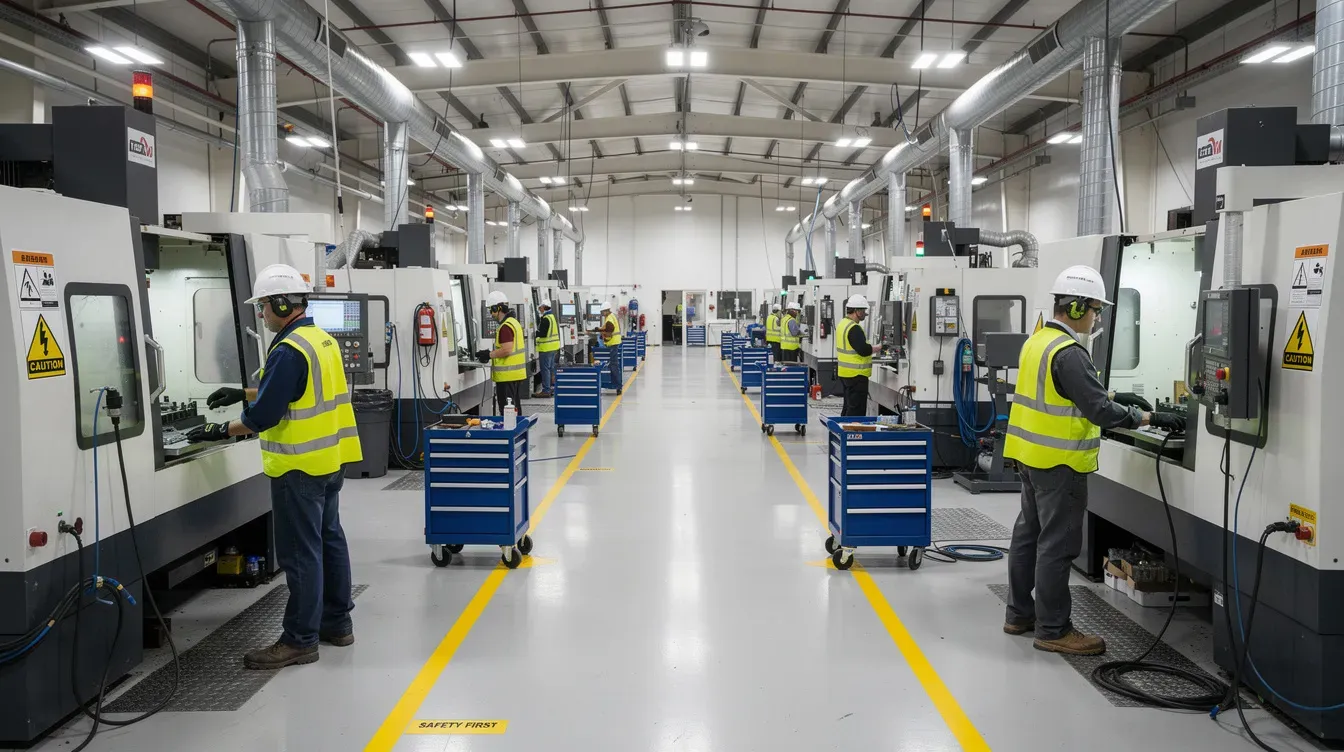
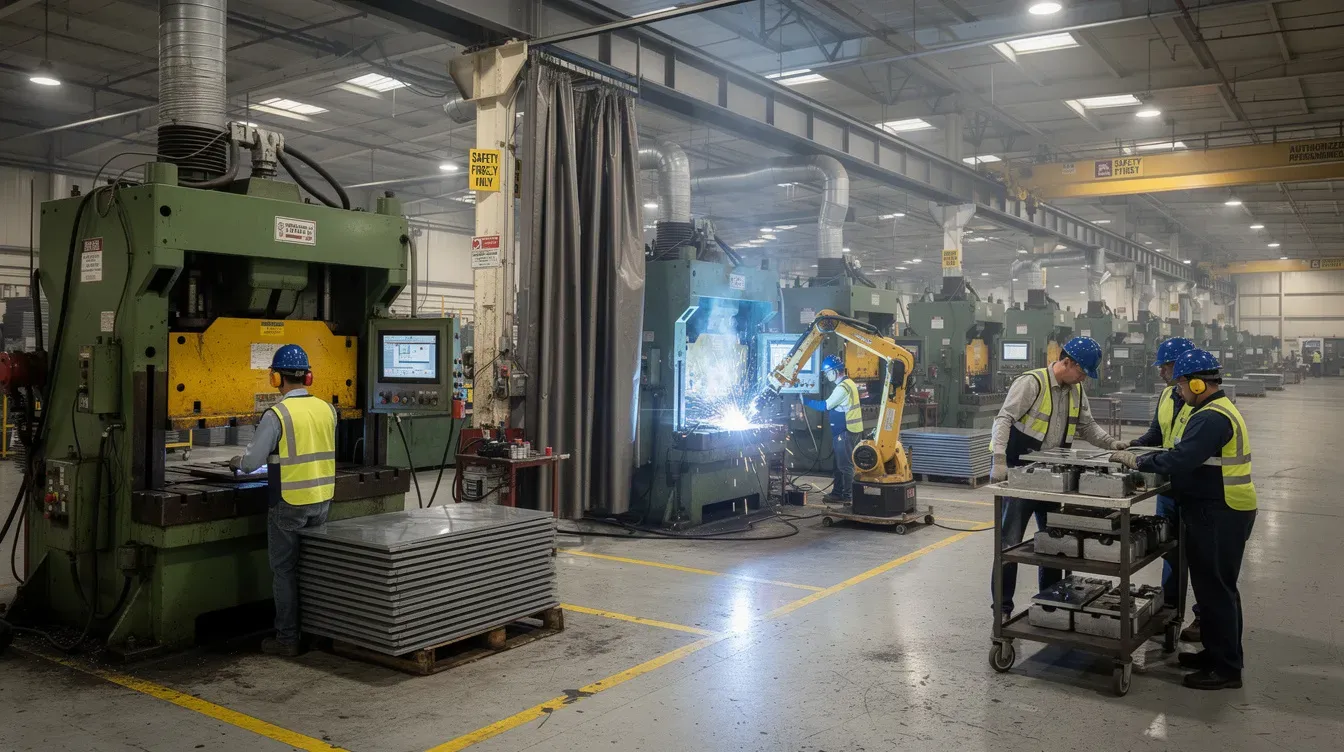
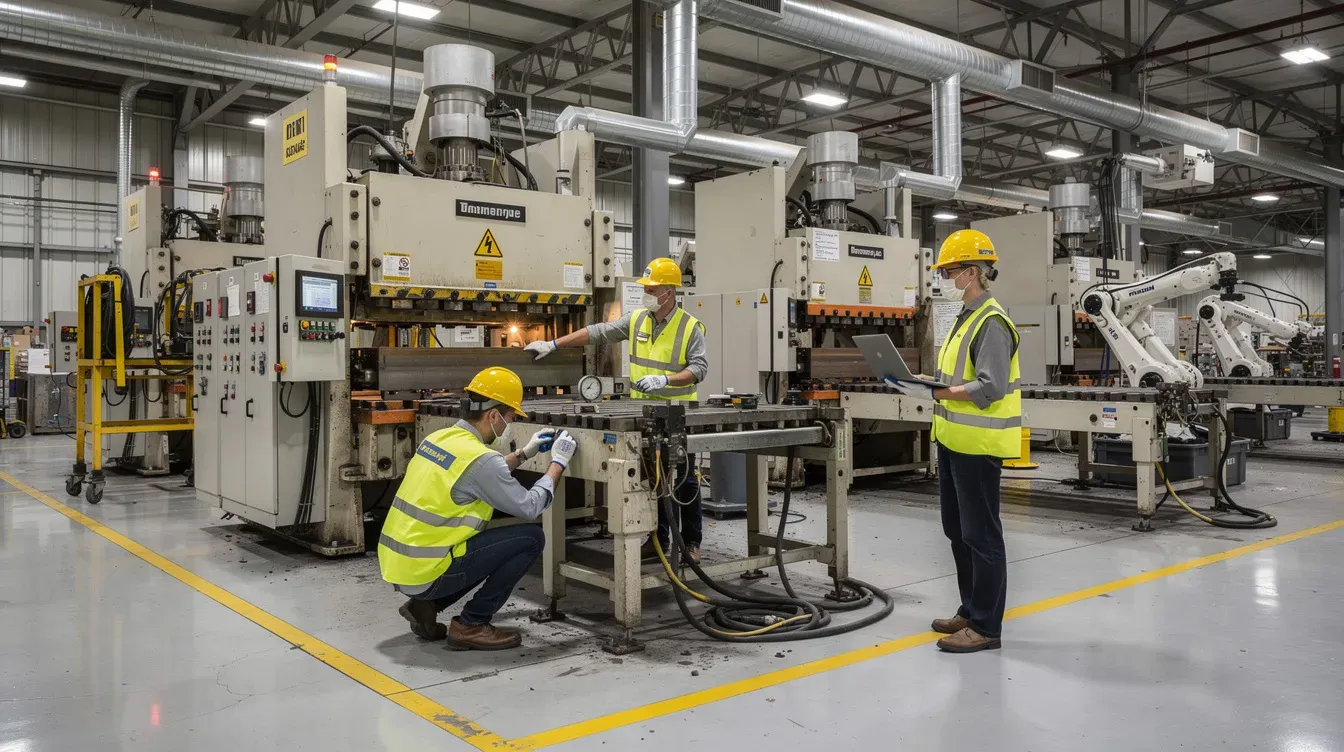
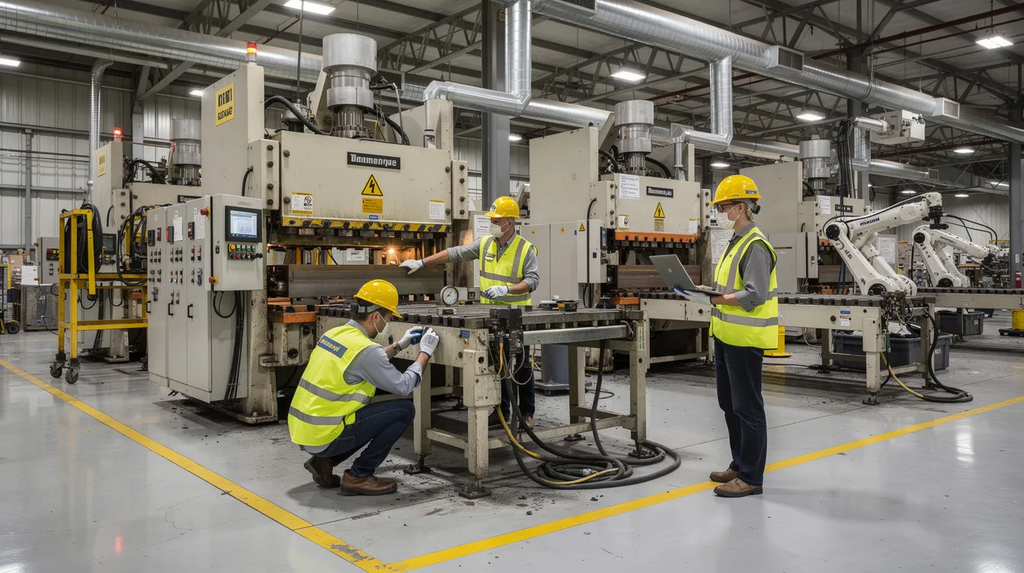
A safety consultant walks production floors, warehouses, construction jobsites, and yards to find the hazards employees face every day. Typical findings include inadequate machine guarding on presses or lathes, incomplete lockout/tagout (LOTO) procedures, unsafe powered industrial truck traffic, missing fall protection at elevated work areas, unidentified permit-required confined spaces, and uncontrolled welding fume.
Risk assessment then ranks those hazards by severity and likelihood so corrective actions go where they matter most. OSHA does not prescribe one universal risk assessment method, but its standards require employers to address the hazards present, and some standards require specific assessments — the PPE hazard assessment under 29 CFR 1910.132(d), for example. For a deeper look at this process, see our guide to OSHA risk assessment for manufacturers.
Written program development
Many OSHA standards require written programs, procedures, or certifications when the hazard is present. Examples include a written hazard communication program, a written respiratory protection program where respirators are required, energy control procedures for lockout/tagout, a written permit-required confined space program, a written emergency action plan (with an exception for employers with 10 or fewer employees), and a certified PPE hazard assessment. Which ones apply depends on the work actually being done.
A consultant’s value here is building programs from the facility’s real equipment, processes, and exposures, so supervisors can enforce them as written. Bolster’s written programs cover both 29 CFR 1910 (general industry) and 1926 (construction), built from each client’s hazard exposure inventory rather than copied from a template.
Industrial hygiene services and exposure monitoring
Some hazards cannot be judged by observation alone. When workplace information suggests employees may be exposed to noise or airborne contaminants at or near applicable action levels or permissible exposure limits, quantitative exposure monitoring may be required or appropriate, depending on the standard. This work often includes:
- Noise dosimetry and noise mapping around presses, CNC machines, compressors, grain dryers, and other loud equipment.
- NIOSH-method air monitoring for welding fume, solvents, isocyanates, respirable crystalline silica, grain dust, and other airborne contaminants.
- Respirator fit testing, which OSHA’s respiratory protection standard requires for tight-fitting respirators.
Industrial hygiene services call for specialized expertise. Bolster’s industrial hygiene services cover noise dosimetry, noise mapping, NIOSH-method air monitoring, and qualitative respirator fit testing.
Audits and OSHA compliance reviews
A consultant’s OSHA compliance audit compares current conditions and documentation against the standards that apply, through on-site assessments and a document review. It typically covers:
- Physical site inspection: machine guards and emergency stops, LOTO practices, powered industrial truck condition and operator training records, scaffolding and fall protection, temporary electrical, confined space identification and permits, and contractor oversight.
- Documentation review: OSHA 300, 300A, and 301 logs; training records; hazard communication documentation; and whether written programs still match the work.
- Mock OSHA audits: a walkthrough under inspection conditions to find compliance gaps before an actual enforcement visit.
Safety training
Training is how written safety programs turn into daily practice for employees and supervisors. Many OSHA standards include specific training requirements — confined spaces, powered industrial trucks, lockout/tagout, hazard communication, and PPE among them — and the content should match the hazards and controls at the site. Common topics include LOTO, powered industrial trucks, fall protection, HazCom, PPE, and hot work.
Bolster delivers custom classroom and hands-on safety training on 1910 and 1926 topics, along with supervisor development, train-the-trainer programs, OSHA 10/30-hour construction outreach courses, and CPR/First Aid/AED certification.
Incident and inspection response
After a serious incident or accident, a safety consultant can lead or support a structured investigation focused on root causes — not just the immediate trigger — and on corrective actions that prevent recurrence. Consultants also help employers meet OSHA’s severe injury reporting rules: a work-related fatality must be reported within 8 hours, and an inpatient hospitalization, amputation, or loss of an eye within 24 hours. During and after an OSHA inspection, a consultant can support documentation, inspection logistics, and post-citation steps such as an informal conference.
Bolster’s Critical Response services cover severe incident investigation and root cause analysis, mandatory OSHA notification and triage, Rapid Response Investigation guidance, OSHA inspection support, and informal-contest support.
Common Types of Safety Consulting Engagements
“Safety consulting” looks very different depending on whether an employer needs a one-time diagnostic, steady oversight, or someone acting as its safety director. Most engagements fall into three models.
Project-based engagements have a defined scope and close out with a documented report. Examples include a diagnostic assessment of a single site, a machine-safeguarding assessment for a new robotic cell, a written program overhaul, or preparation for an ISO or VPP audit. Bolster’s Benchmark Assessments are the diagnostic starting point for most engagements.
Ongoing support means recurring facility or jobsite audits on a set schedule, along with scheduled industrial hygiene monitoring, leading-indicator dashboards, corrective-action tracking, and OSHA recordkeeping review. Bolster’s Ongoing Assessments follow this model.
Fractional safety leadership is where a senior consultant acts as a part-time safety director on a monthly retainer. It fits small and middle-market businesses that need senior safety ownership without adding a full-time role, and established EHS teams that need senior bandwidth for a season. Bolster’s Fractional Safety Director service works this way, and “7 Signs Your Business Needs a Fractional Safety Director” covers when this model fits best.
Many employers combine models — for example, a diagnostic assessment first, followed by a retainer or a recurring audit schedule built from what the assessment finds.
Signs It’s Time to Hire a Safety Consultant
Bringing in outside help is not a sign of failure. It is a decision to match the operation’s risk profile with the right level of expertise. These are the most common triggers.
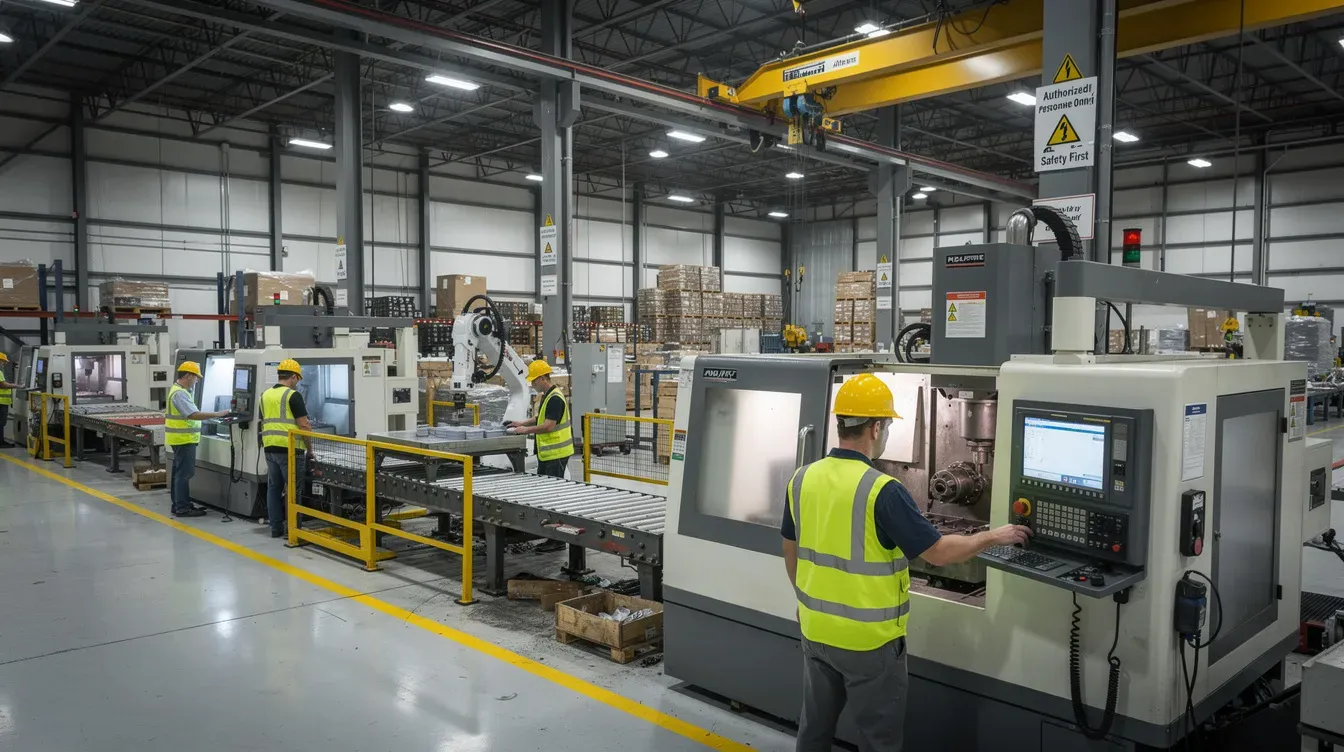
Growth and operational change. A new facility, a second or third shift, robots or automated lines, a new process, or new chemicals. Each introduces unique hazards existing staff may not have dealt with, and new operations often require new or revised programs and training.
Internal bandwidth gaps. Safety handled as a side duty by someone in HR or operations, or an EHS manager covering multiple sites without enough time for audits, investigations, and training.
Incident-based triggers. A serious injury, repeated near misses, or a pattern of minor injuries that points to system-level problems rather than individual mistakes. A recent OSHA inspection or OSHA citation that exposed program gaps is another clear signal.
External requirements. Customers or general contractors requiring documented safety programs or third-party audits, an insurer requesting a safety review, or investors asking about EHS practices.
Ownership transitions. Preparing a business for sale, completing due diligence before an acquisition, or integrating a newly acquired site. Bolster’s Specialized Services include pre-sale and acquisition due-diligence assessments for these situations.
Sometimes the trigger is simply leadership wanting a clear, prioritized picture of where the operation stands.
Safety Consultant vs. OSHA On-Site Consultation vs. Hiring Full-Time
Employers usually weigh three paths: a private safety consultant, OSHA’s free On-Site Consultation Program, or a full-time safety hire. Each serves a different need.
A private safety consultant works on the employer’s schedule and can provide continuity across programs, audits, and training. Depending on the firm, services may extend to industrial hygiene sampling, acquisition due diligence, incident response, multi-site program design, and fractional leadership.
OSHA’s On-Site Consultation Program is a no-cost, confidential compliance assistance service delivered by state agencies or universities, primarily for small and midsize businesses, with priority given to high-hazard worksites. It is separate from OSHA enforcement, and the consultation visit does not result in citations or penalties. In return, employers commit to correcting serious hazards identified during the visit. For many small businesses, it is a strong way to get an initial look at their hazards.
A full-time safety hire provides daily presence and ownership. It fits organizations with enough sites, headcount, or regulatory exposure to fill a senior role every week.

| Private Safety Consultant | OSHA On-Site Consultation | Full-Time Safety Hire | |
| Cost structure | Paid: project fee, retainer, or hourly | No cost to the employer | Salary and benefits |
| Scope | Defined by the engagement | Hazard identification and program advice; scope set by each state program | All internal safety responsibilities |
| Scheduling | Set with the employer | Subject to program availability and priorities | Daily presence |
| Continuity | Depends on the model (project, ongoing, fractional) | Visit-based | Continuous |
| Incident and inspection support | Can support investigations and inspections | Not designed for enforcement inspections | Owns the response |
| Employer commitments | Defined by contract | Must correct serious hazards identified | Internal accountability |
A private consultant is usually the better fit when an employer needs ongoing leadership, a broad mix of services, multi-site coordination, or support around a transaction or incident. Whichever path an employer chooses, legal responsibility for workplace safety under the OSH Act stays with the employer.
What to Look for When Choosing a Safety Consulting Company
Who does the work and how they engage matters more than a long service list.
Credentials. The Certified Safety Professional (CSP) and Associate Safety Professional (ASP) are certifications from the Board of Certified Safety Professionals (BCSP). Exposure monitoring work may also call for specialized industrial hygiene expertise. No single credential is legally required to work as a safety consultant, so ask what certifications the person leading your work holds and how they were earned. Tim Walsh’s background is on Bolster’s About page.
Industry experience. Look for a consultant with industry experience in operations like yours — metal fabrication, food manufacturing, agriculture, laboratories, fleet and transportation operations, or construction. Bolster’s Industries page shows the sectors it serves.
Who actually does the work. Ask whether a senior consultant leads the work throughout or hands it to junior staff after kickoff, and clarify expectations for onsite visits versus remote support.
A diagnostic-first approach. Prefer a firm that starts by assessing your current state rather than selling a pre-packaged tier of services.
Deliverables and follow-through. Look for written reports with prioritized findings, defined corrective actions, and a way of tracking them to closure — recurring audits, dashboards, or leadership check-ins.
Communication. The consultant should be able to talk with supervisors and operators, not just cite regulation numbers. A short introductory call is a good way to judge how clearly they explain OSHA regulations.
How Much Does a Safety Consultant Cost?
Cost depends on scope, the number of sites, travel, risk profile, and the engagement model, so reputable firms quote after understanding the operation. Common pricing structures include:
- Fixed-scope projects — a single-site diagnostic assessment, a comprehensive safety manual, or a focused machine-safeguarding review, scoped and priced before work begins.
- Monthly retainers — used for fractional safety director roles and ongoing support. At Bolster, retainer clients can also draw on reserved “Storehouse” hourly blocks as projects and consultation needs arise.
- Hourly or block-of-hours arrangements — used by some firms for advisory work or support as needs come up.
The main cost drivers are the number of facilities and their locations, the complexity of the hazards and applicable standards, how often onsite visits are needed, and the depth of services such as industrial hygiene sampling or program development.
When comparing proposals, look at scope, the seniority of the people doing the work, and the clarity of deliverables, not price alone. The most useful starting point is a scoping conversation followed by a written proposal tied to specific deliverables. To discuss what an engagement would look like for your operation, contact Bolster.
Questions to Ask Before Hiring a Safety Consultant
Use these during vetting calls or proposal reviews:
- Who will lead our work, and what is their background in operations like ours?
- How do you assess our current safety system and OSHA compliance status before recommending services?
- How do you prioritize findings so we know what to address first?
- What written reports, dashboards, or tools will we receive?
- How often will you be onsite versus remote, and what does a typical visit include?
- How do you work with supervisors and frontline employees to build procedures they can actually follow?
- What happens after the initial project — do you offer ongoing support or fractional leadership?
- How do you support us during an incident investigation or an unexpected OSHA inspection?
Get the answers in writing, then compare consultants on clarity, fit with your operations, and whether they can explain OSHA compliance requirements in plain language to someone running a production schedule.
What a Safety Consultant Can’t Do for You
Setting realistic expectations protects both sides.
Legal responsibility stays with the employer. Under the OSH Act, the employer is responsible for workplace safety. A consultant can advise, design systems, write programs, and train your team, but does not take on your legal obligations.
Leaders and supervisors still own daily execution. Job planning, enforcing PPE rules, issuing hot work permits, and stopping unsafe work are line responsibilities. A consultant builds the framework and coaches the people, but cannot run your floor from the outside.
No consultant can guarantee outcomes. A safety consultant cannot guarantee inspection results, prevent every incident, or promise that no citation will ever be issued. What a consultant can do is help you find gaps, prioritize them, document the work, and respond well when something happens.
Short engagements don’t change safety culture on their own. Sustained improvement takes leadership commitment, consistent follow-through, and clear internal ownership of corrective actions.
How Bolster Safety Craft Works
Bolster Safety Craft is a founder-led safety consulting company. Every engagement is led personally by Tim Walsh, CSP, ASP, who holds a B.S. in Occupational and Environmental Safety and Health from the University of Wisconsin–Whitewater and brings 15+ years of field experience.
The work follows three stages:
- Diagnose. A Benchmark Assessment identifies hazards, evaluates current controls, and benchmarks both against compliance and industry standards.
- Prescribe. Services are tailored to the operation’s risk profile and specific needs — written programs, safety training, industrial hygiene, or specialized services such as Safety Management System development and ISO/VPP audit preparation. Nothing is sold from a menu.
- Sustain. Follow-through through Ongoing Assessments or a Fractional Safety Director retainer.
Engagements run on three models: Fractional (a monthly retainer with reserved Storehouse hourly blocks), Ongoing (recurring audits, training, and industrial hygiene monitoring on a set schedule), and Project-Based (a defined scope closed out with a documented report). Critical Response is available after serious incidents and during OSHA inspections. See all workplace safety services, or use the contact form to talk through which model fits your operation.
Frequently Asked Questions About Safety Consultants
What does a safety consultant do?
A safety consultant identifies and ranks workplace hazards, evaluates existing controls, builds and updates written safety programs, conducts audits, delivers safety training, performs or coordinates exposure monitoring, and supports employers during incident investigations and OSHA inspections.
What is a safety consulting company?
A safety consulting company is a firm that provides safety services to employers and their workers, such as hazard and site assessments, written program development, training, industrial hygiene sampling, audits, and ongoing safety leadership.
When should a company hire a safety consultant?
Common triggers are growth or new operations, a serious incident or repeated near misses, an OSHA inspection or citation, customer or insurer requirements, a pending sale or acquisition, or safety becoming a side duty with no clear owner.
What is the difference between a safety consultant and OSHA’s consultation program?
A private safety consultant is hired and paid by the employer and works on the employer’s schedule and scope. OSHA’s On-Site Consultation Program is a no-cost, confidential service delivered by state agencies or universities, primarily for small and midsize businesses. It is separate from enforcement and does not issue citations or penalties, but employers commit to correcting serious hazards it identifies.
Can a safety consultant help during an OSHA inspection?
Yes. A consultant can help prepare documentation, support the employer during the inspection, and assist with post-inspection steps such as an informal conference and abatement. A consultant cannot control OSHA’s enforcement decisions.
Does hiring a safety consultant make a company OSHA compliant?
No. Compliance depends on the employer implementing and maintaining the controls, programs, and training that apply to its hazards. A consultant provides expertise and structure; the employer is responsible for acting on it.
What credentials should a safety consultant have?
Certifications such as the Certified Safety Professional (CSP) and Associate Safety Professional (ASP) from the Board of Certified Safety Professionals indicate professional competency. Exposure monitoring may call for specialized industrial hygiene expertise. No single credential is legally required to work as a safety consultant.
Do safety consultants work onsite or remotely?
Usually both. Walkthroughs, training, exposure sampling, and incident response happen onsite; program writing, data review, and advisory work are often handled remotely. Clarify the expected visit frequency before the engagement starts.
Next Steps
If you are weighing whether to bring in a safety consultant, three steps will make the first conversation more useful:
- Take stock of recent incidents and near misses, known compliance gaps, and operational changes coming in the next year.
- Decide which engagement type — project-based, ongoing, or fractional — is most likely to fit.
- Talk with a consultant to test those assumptions and get a scoped proposal tied to specific deliverables.
To see how the Diagnose, Prescribe, Sustain approach would apply to your facilities, use Bolster’s contact page to schedule a consultation.